

Why mental Health Spaces need Art
🌍On World Mental Health Day, we’re reminded that healing isn’t just about treatment—it’s also about environment. Clinical spaces often feel sterile, disconnected from nature, and emotionally flat. But what if we could change that?
As a mural artist and interior designer, I’ve seen how art—especially large-scale murals—can transform these spaces into environments that support emotional wellbeing, reduce stigma, and foster recovery.
My work at St Andrew's Hospital
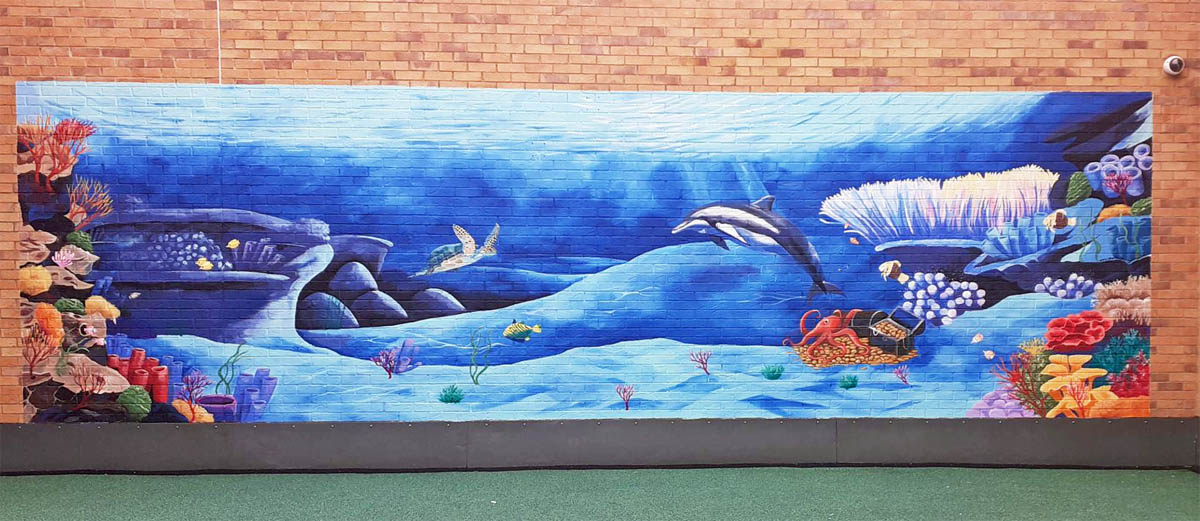

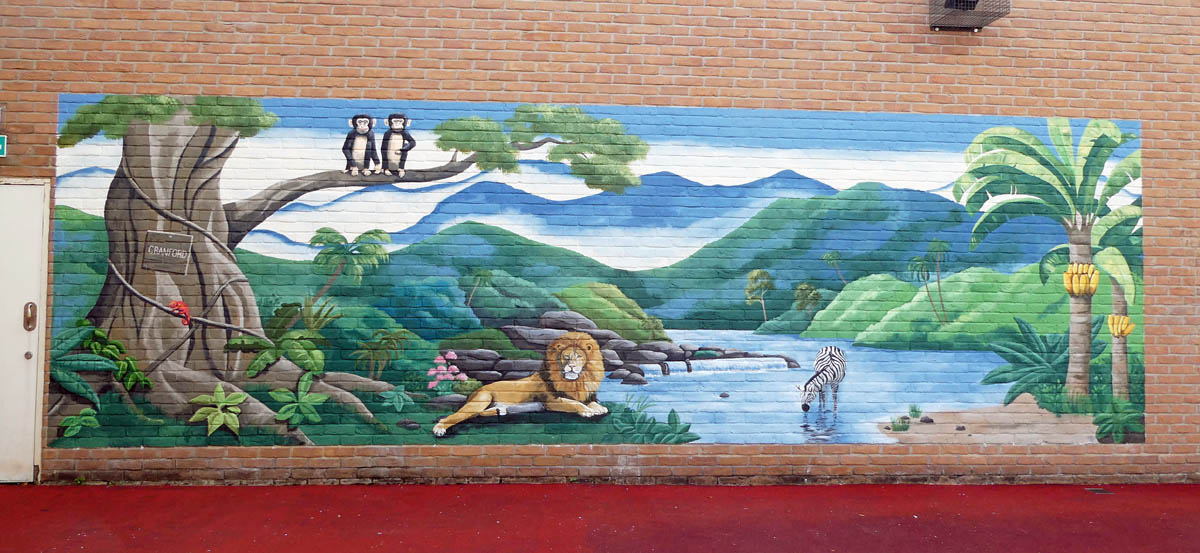
At St Andrew’s Healthcare, a leading UK mental health hospital, I’ve painted a series of courtyard murals designed to bring colour, nature, and calm to patients who often have limited access to the outdoors.
These spaces were once bare brick. Now, they bloom with jungle ecosystems, coastal sunsets, and underwater worlds. Each mural is designed in collaboration with the patients on the ward, and carefully composed to promote a sense of hope and positivity — turning walls into emotional touchstones.
Feedback from patients and staff has been overwhelmingly positive, with many describing the murals as uplifting, soothing, and a welcome escape from the clinical environment. 'You have brought joy to our hospital.' said Facilities Manager Tracy Smith.
Read more about our Health and Care mural services for hospitals, care and children's homes here
What the Research Says
UK-based studies strongly support the role of art in mental health:
Hospital Murals Evaluation (HoME) Project
- Led by researchers including M. Foster and N. Sajnani, with UK participation via Norwich University of the Arts.
- A mixed-methods study assessing how murals in hospitals affect:
- Workplace belonging
- Perceived quality of care
- Wellbeing of patients, staff, and visitors
- Sites include hospitals in the UK, US, Slovenia, and Nigeria.
- It’s the first study of its kind to evaluate large-scale visual artworks in clinical settings
- University College London (UCL) found that arts engagement improves life satisfaction and reduces depression in later life.
- The Social Biobehavioural Research Group analysed data from 23,000 UK adults and confirmed that frequent arts participation correlates with lower mental distress.
- The Department for Culture, Media and Sport (DCMS) highlighted art’s role in social prescribing, prevention, and recovery.
- NHS-backed reviews show that community-based art projects support identity recovery and emotional regulation in serious mental illness.
These findings validate what we’ve seen at St Andrew’s: murals aren’t just decorative—they’re therapeutic.
How murals support mental health
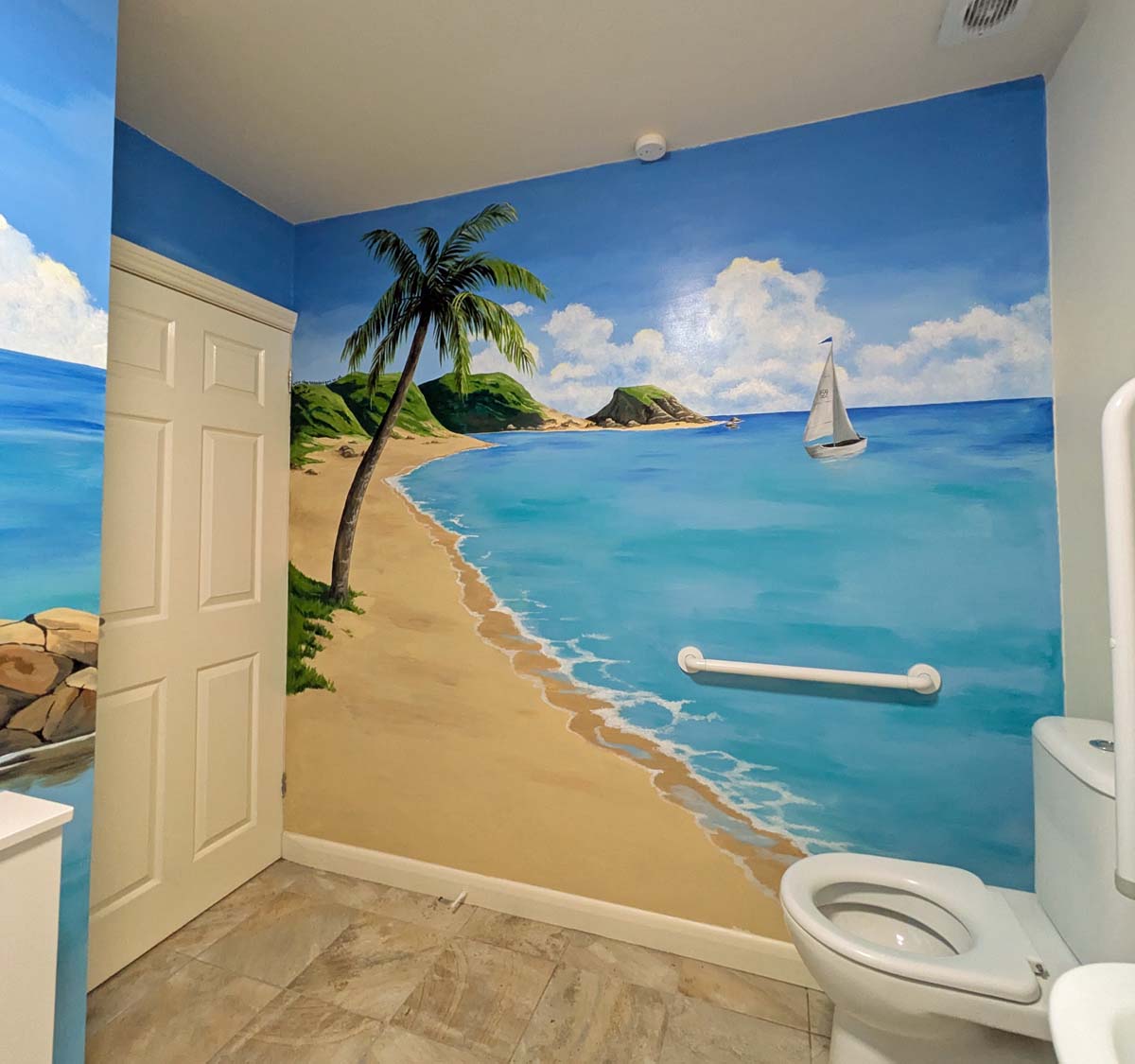

Murals in clinical and care spaces can:
- ✅ Reduce stigma and spark conversation
- ✅ Encourage reflection and emotional regulation
- ✅ Create safe, calming environments
- ✅ Foster connection to nature and community
- ✅ Support recovery through visual storytelling
They also invite movement, curiosity, and engagement—especially important in settings where patients may feel isolated or disempowered.
🤝 Let’s Collaborate
If you work in mental health, healthcare design, or community engagement, I’d love to collaborate. Together, we can create environments that support recovery—not just through treatment, but through art, emotion, and space.
Because healing doesn’t always begin with words.
Sometimes, it starts with a brushstroke.